Research Category: Yoga & Mindfulness for Concussion, TBI, Stroke and Neurological Conditions
An Exploratory CFIR-Informed Process Evaluation Utilizing Data from a Pilot Randomized Controlled Trial of a Yoga-based Physical Therapy Group Intervention in Inpatient Rehabilitation Following Traumatic Brain Injury
First study to identify how yoga can be successfully integrated into inpatient brain injury rehabilitation
Journal: Journal of Integrative and Complementary Medicine
Year: 2026
Authors: Krese K, McNulty M, Justice C, Pearce K
While previous research has shown that yoga can improve outcomes after brain injury, little was known about how to successfully implement yoga within busy and medically-complex inpatient rehabilitation settings. This study evaluated the implementation of a LoveYourBrain-informed yoga-based intervention for people receiving inpatient physical therapy after traumatic brain injury.
Using an implementation science framework (CFIR), researchers identified the barriers, facilitators, and practical strategies that helped integrate yoga into routine rehabilitation care. The findings provide one of the first roadmaps for hospitals looking to incorporate evidence-based yoga therapies into traditional rehabilitation settings—bringing holistic care closer to becoming part of standard clinical practice.
Summary
Key Findings
✔ Strong interdisciplinary communication and organizational support were key to successful implementation
✔ Cognitive, behavioral, and physical impairments can be accommodated through thoughtful adaptations
✔ Provider education helped overcome skepticism about integrating yoga into rehabilitation
✔ Practical implementation tools were developed to help future rehabilitation programs adopt similar interventions
Study Details
Exploratory CFIR-informed process evaluation nested within a pilot randomized controlled trial
11 participants completed the intervention (13 enrolled)
Adults receiving inpatient rehabilitation following traumatic brain injury
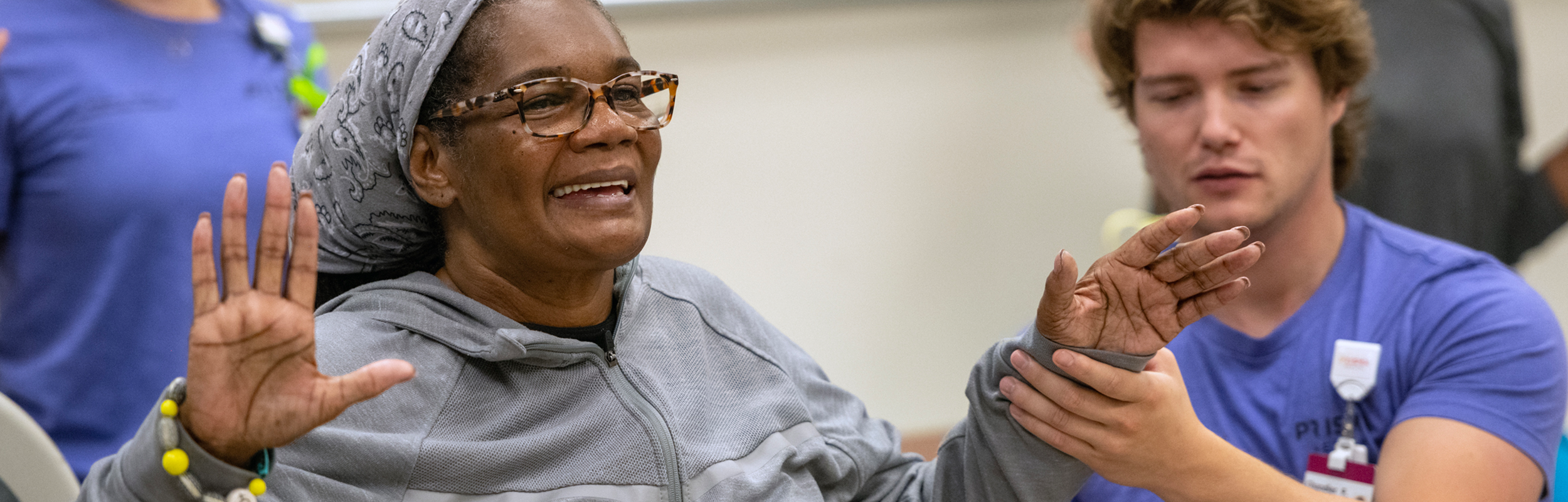
Single 60-minute LoveYourBrain-informed yoga-based physical therapy group session
Conducted at Shirley Ryan AbilityLab
Examined implementation barriers, facilitators, and adaptation strategies—not clinical effectiveness
Impact and Conclusions
Results demonstrated that a yoga-based physical therapy intervention can be successfully integrated into inpatient brain injury rehabilitation when supported by interdisciplinary collaboration, organizational buy-in, and thoughtful adaptations for patients' cognitive and physical needs. The study also identified practical solutions for overcoming common implementation barriers, including time constraints, provider education, and workflow integration. In conclusion, this research moves beyond asking whether yoga works after brain injury by showing how evidence-based yoga can become part of routine rehabilitation care—bringing holistic, person-centered care one step closer to the standard of care for people with brain injury.
What this means for long-term recovery after brain injury
Integrating yoga-based therapy into medical rehabilitation requires more than evidence that they improve outcomes—it also requires understanding how to implement them successfully in real-world healthcare settings.
This study demonstrates that yoga can be safely and feasibly integrated into inpatient rehabilitation when clinicians receive appropriate training, collaborate across disciplines, and adapt the intervention to patients' physical and cognitive needs. The implementation strategies identified in this study can help hospitals expand access to evidence-based holistic care for people in the early stages of brain injury recovery.
Frequently Asked
Questions
-
Healthcare providers need evidence that an intervention can actually fit into everyday clinical practice. This study identified practical strategies that make it easier for hospitals to integrate evidence-based yoga into rehabilitation programs.
-
Yes. The study showed that yoga can be adapted for patients with a wide range of physical, cognitive, and behavioral challenges through individualized modifications, specialized cueing, and trained rehabilitation professionals.
-
By identifying what helps—and what gets in the way—of implementing yoga in hospitals, this research provides a roadmap for rehabilitation programs to expand access to evidence-based holistic care earlier in recovery, making these approaches more available to people who can benefit from them.
LoveYourBrain programs based on this study
Related Studies

A Group-based Yoga with Psychoeducation Intervention to Facilitate Community Integration